

SPIRITUAL CARE / SUPPORT FROM A DISTANCE
Sometimes the person you would like to sit with is far away. You may be curious about a remote healing session because you want a quiet moment, a spiritual intention held with you or a practice that fits around life at home. You can explore that interest without having to accept a promise of a cure.
Remote healing usually means a practitioner offers a spiritual or energy-based practice without being in the same room as the recipient. The details vary: some sessions use a phone or video call, while others happen at an agreed time without a live conversation. Before booking, ask what the practitioner means by the term.
Your permission, comfort and choices matter throughout. You do not have to become perfectly optimistic, disclose your whole history or feel a particular sensation to participate. Illness is not a failure of positive thinking, and needing medical care does not make you less spiritual.
What practitioners mean by remote healing
Some practitioners describe themselves as a channel for divine care or universal energy. Others use prayer, intention, visualization or distance Reiki. These explanations belong to their spiritual frameworks; they are not an established medical account of how an illness is diagnosed or treated.
If divine connection is meaningful to you, you might approach a session as a way to make room for prayer or contemplation. Someone with a different belief may prefer a quiet reflective appointment. Neither person needs to adopt the other’s explanation, and no practitioner should require you to abandon your own beliefs.
There is also a difference between remote spiritual support and healthcare delivered by phone or video. A clinician may provide appropriate care remotely within their professional scope. A spiritual practitioner does not gain the ability to diagnose disease simply by working at a distance.
For Reiki specifically, the National Center for Complementary and Integrative Health explains that it has not been clearly shown effective for health-related purposes and that the proposed energy field lacks scientific evidence. A distance-based version should not be presented as a proven cure. Spiritual meaning and medical effectiveness are different questions.
How a remote session may be arranged
There is no single format used by everyone. A helpful practitioner can explain the process in ordinary words before you pay. A typical arrangement might include an initial conversation, an agreed intention, a period of quiet and a closing check-in. Treat that as a possible format, not a required sequence or a guarantee of results.
1. Agree on the practical details
Confirm the date, time zone, duration, full price and whether the appointment involves a live call. Ask what happens if you miss it, need to reschedule or wish to stop. If you receive a written summary afterward, clarify whether it is included in the price.
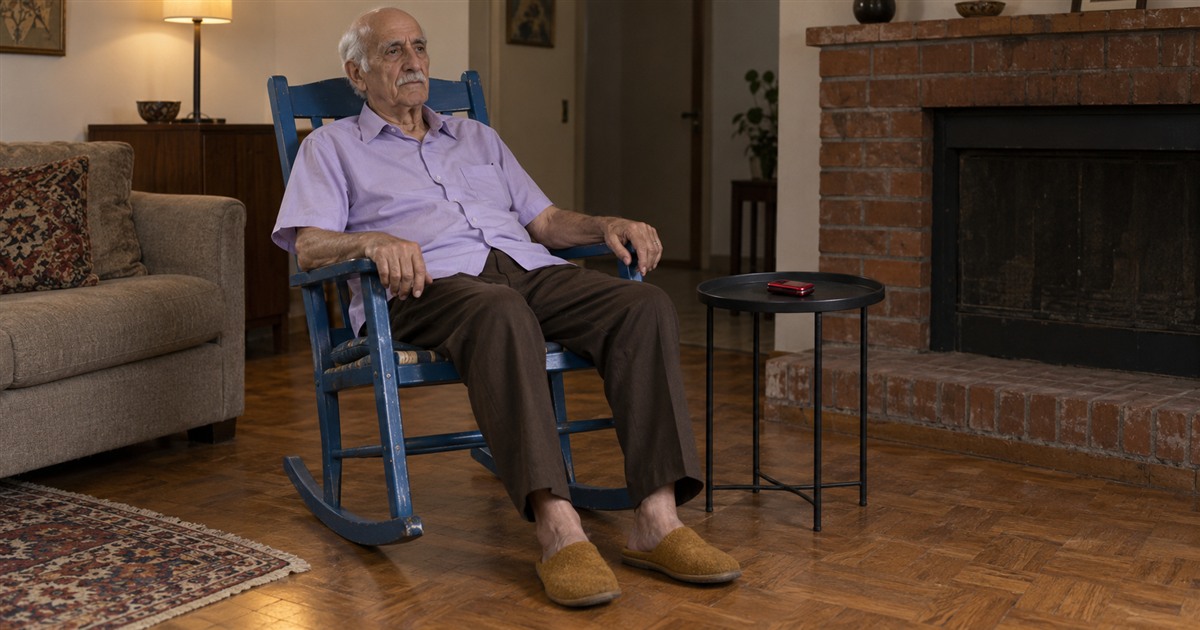
Choose a place where you can sit comfortably and are not driving, cooking or supervising something that needs your attention. You do not need an elaborate altar, special clothing or an expensive object. A familiar chair and a little uninterrupted time are enough for a reflective session.
2. Choose an intention within your control
An intention such as “I would like space to feel supported while I face a difficult week” is different from “This session must remove my illness.” The first names the kind of experience you welcome. The second asks for an outcome that a practitioner cannot responsibly promise.
You can keep an intention private or share a short version. If you are unsure, ask whether the session can proceed without detailed personal information. A spiritual appointment should not depend on handing over medical records, passwords or another person’s private history.
3. Participate in a way that feels comfortable
You may be invited to sit quietly, listen to a guided reflection or imagine a comforting symbol. Keep your breathing natural. Eyes open, a different sitting position or a brief pause are reasonable choices. If a suggestion feels distressing or does not suit your beliefs, say so or stop.
Some people describe warmth, emotion or relaxation; others notice very little. None of these experiences establishes that an energy transfer occurred or a condition changed. You are not obliged to produce sensations for the practitioner, and a lack of sensation is not evidence that you blocked the session.
4. Close with a clear, ordinary check-in
At the end, take a moment to notice your surroundings and decide what you need next. You might want water, a walk, a few notes or simply to return to your day. There is no requirement to interpret every thought, dream or feeling that follows.
If a practitioner offers impressions, you can listen without treating them as facts about your body or future. Keep medical questions with a qualified healthcare professional. Ask for clarification when language is vague, and leave room to disagree.
Your permission is a choice, not a test of readiness
Consent is a practical boundary: you agree to a particular service, at a particular time, under terms you understand. It is not proof that a spiritual mechanism exists, and it is not a promise that you will benefit. You can withdraw agreement even after initially saying yes.
A caring practitioner should not tell you that sadness, skepticism or pessimism makes you unworthy of support. You can have doubts and still take part in a ritual. You can also decide that the practice is not for you without needing to defend the decision.
If you want to offer spiritual care to someone else, ask what they welcome. A private prayer can be your own practice, but do not enroll someone in a paid service or share their sensitive information without permission. Avoid telling a person that you have diagnosed or removed their hidden problem.
For relationship-specific practices, our guide to energy healing and everyday connection explores how spiritual intentions can sit alongside consent and communication.
Keep the inner voice compassionate
Self-talk can be harsh when you are tired, frightened or disappointed. You may hear “I should be handling this better” or “I brought this on myself.” You do not have to turn those thoughts into a spiritual explanation for being unwell.
Try writing the thought, then a response you would offer a friend. “I am having a difficult day, and I can ask for help” makes room for care without pretending that everything is fine. A prayer or quiet ritual may accompany that response if it suits you; it does not have to replace practical support.
If sitting inwardly with your thoughts feels uncomfortable, choose an ordinary outward activity instead: notice the room, step outside or talk with someone you trust. Our gentle meditation guide includes flexible approaches and stopping boundaries. No spiritual practice needs to be pushed through distress.
Questions to ask before spending money
- Scope: What exactly will you do, and what do you say this service can and cannot offer?
- Format: Is there a live conversation, or are we arranging a quiet period separately?
- Choice: Can I decline a visualization, keep my intention private or end the session?
- Cost: What is the total charge, and are later appointments entirely optional?
- Information: What details do you need, and how will those details be handled?
Be cautious of instant-cure promises, claims that your illness comes from a curse or demands for repeated payments to keep you safe. A practitioner should not tell you to stop medication or delay an assessment. “You must buy more because your energy is resisting” is pressure, not a useful explanation.
A psychic reading is a different service from remote healing. If you are choosing between them, our guide to what to expect from a reading can help you ask about the actual format rather than assuming every spiritual service works the same way.
Reflect afterward without turning it into a cure claim
A simple record can help you separate the experience from its interpretation. Note what you hoped for, what actually happened during the appointment and one practical step you want to take afterward. Include neutral or disappointing experiences as well as pleasant ones.
Feeling comforted may be valuable to you, but it does not establish why you felt different or whether a medical condition changed. Keep appropriate healthcare in place, seek assessment for new or worsening symptoms and discuss treatment decisions with your healthcare professional.
Let remote spiritual support be an option, not an obligation. You may return to it, choose a different practice or prefer ordinary companionship. You deserve care whether you feel hopeful, uncertain or simply tired, and you do not need to prove spiritual readiness to ask for it.
Combining spiritual healing with conventional medical practices offers a holistic approach to health. The article makes me curious about the scientific basis, if any, behind remote healing.
This article touches on profound ideas about the harmony between body, mind, and spirit. The interplay of negative and positive energy is a concept found in many philosophical traditions.
The dual approach of physical health measures and spiritual healing provides a comprehensive outlook. It emphasizes the importance of addressing both mental and physical aspects of well-being.
The concept of remote healing is intriguing, particularly considering the connection between mental state and physical health. It raises questions about the power of belief and the mind-body connection.
While the idea of remote healing is novel, it’s important to approach it with a critical mind. Understanding the mechanisms behind such processes is essential for broader acceptance.
The article presents an interesting perspective on health, integrating both physical and spiritual dimensions. However, more empirical evidence would be beneficial to support the claims made about remote healing.
Remote healing presents an intriguing hypothesis, but it’s crucial to remain skeptical and demand scientific scrutiny. Understanding its efficacy through rigorous studies would be reassuring.
It’s fascinating how the article melds traditional medical practices with spiritual healing. The notion that negative energy can affect physical health is worth exploring further.