

WINTER PREPARATIONS / COMFORT, CONNECTION & CARE
Short days and cold nights can change the shape of everyday life. A familiar walk may happen after dark, rain or snow can interrupt plans, and a quiet evening at home can begin to feel lonely when it becomes the only option.
Preparing for winter does not mean forcing yourself to love the season. It means making ordinary care easier to reach: a comfortable home, movement that fits your body, a way to stay connected and a backup plan when the weather changes. Start before your local cold or wet season if you can, but it is never too late to make one useful adjustment.
The seven ideas below build on this article’s original themes. Choose what suits your climate, budget and access needs. Your winter may bring snow, heavy rain or simply fewer daylight hours; the plan does not have to look like anyone else’s.
1. Start practicing gratitude without silencing difficult feelings
Write down things you are thankful for when you wake up or before you go to sleep. A small observation is enough: a meal someone made, a message that arrived at the right time or a task you managed to finish.
Keep the notes somewhere easy to revisit. On a low day, they may remind you of people or comforts you would like to reconnect with. They do not have to convince you that everything is fine. “I appreciated a friend’s kindness, and I am still having a hard week” is an honest entry.
If gratitude feels demanding, try a needs note instead: “Today felt…”; “What helped was…”; and “Tomorrow I could use…”. You are not failing a spiritual practice by naming loneliness, fatigue or frustration.
For a creative version, our gratitude papers and scrapbook exercises can help you notice what matters without expecting a perfect mood.
2. Make your house more homey—and safely warm
Choose one place where you can sit comfortably. Put a blanket, a book or another quiet activity within reach, arrange useful lighting and clear a path around the furniture. A welcoming corner can be simple; you do not need to redecorate your whole home.
Deal with heating problems through the landlord, building manager or a qualified professional rather than attempting a repair beyond your skills. Candles are not a heating solution. For a gentle glow or a spiritual intention-setting moment, choose a flameless candle or suitable battery-powered light.
The National Fire Protection Association’s heating guidance recommends keeping combustible items at least three feet (one metre) from heating equipment, turning portable heaters off before leaving the room or going to bed, and never using an oven to heat a home. Follow the equipment’s instructions and maintain smoke and carbon-monoxide alarms.
For outages, have a flashlight or battery-powered lighting ready. NFPA’s candle-safety guidance advises against candles during a power outage. Comfort should not depend on an unattended flame.
If your home cannot stay safely warm, practical help comes first. Contact your local housing, utility or community-support services about available assistance. A cozy ritual is not a substitute for safe shelter.
3. Stay active with an indoor alternative
When temperatures drop, a routine that depended on good weather may need a second version. Think of one activity you enjoy and one indoor option you can use when travel or footing is unsafe.
A familiar walk might become a short indoor movement break. A class could have an online alternative, or you could arrange to move with a friend at home. Seated movement is an option if that suits your body. Choose a comfortable amount rather than treating winter as a fitness challenge.
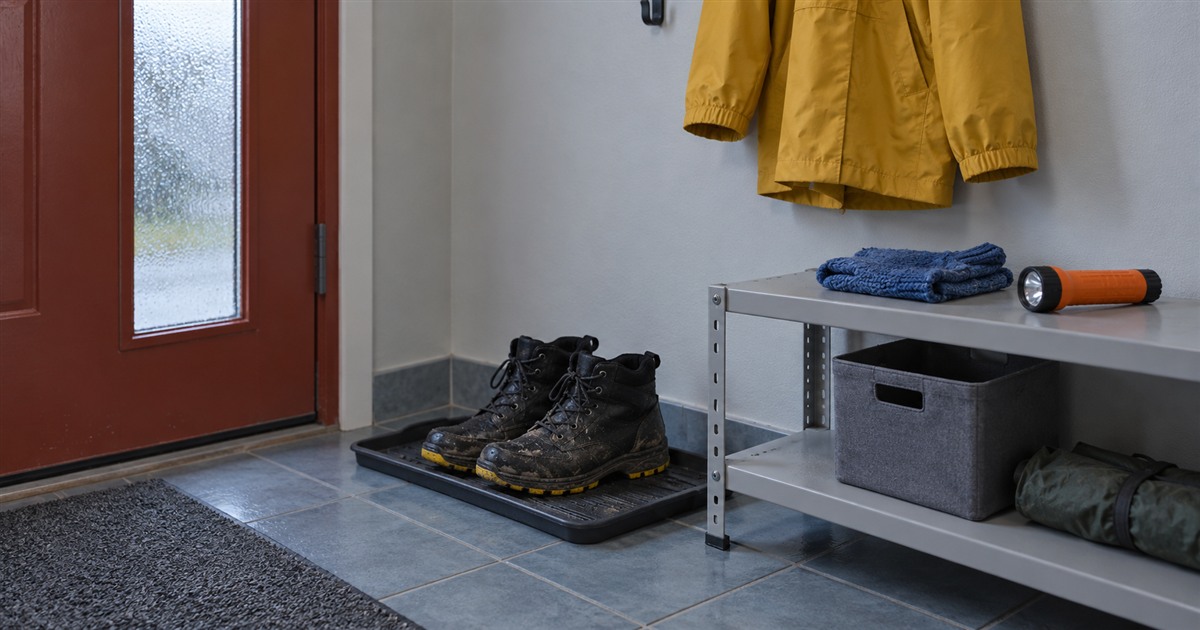
Keep the preparation small: put suitable footwear where you can find it, save the class details or choose a clear space for movement. If you have an injury or health condition, follow guidance appropriate to you.
Do not push through ice, severe weather or pain to keep a streak. A changed plan is still a plan. On a depleted day, rest may be the more caring choice.
4. Pamper yourself in ways you actually enjoy
Winter can be a time to take care of yourself. A comfortable bath, a familiar lotion, clean bedding or a quiet hour with music may make an evening feel less neglected. These are options, not essentials you must purchase.
Choose comfortable water temperatures and products your skin tolerates; skip scented products if they bother you. A warm washcloth, fresh socks or a favorite cup can offer a simpler version of the same care.
If spiritual rituals are meaningful to you, pair a small action with an intention: “May this evening include some gentleness.” Then respond to an ordinary need, such as eating, resting or asking for company. You do not need a sign or a special feeling for that care to count.
Our spiritual self-care guide offers adaptable practices you can use without turning the evening into another list of obligations.
5. Limit unhelpful scrolling, not useful connection
Phones can be especially useful when weather keeps you at home. A call, an accessible online activity or a message to someone you trust can be a real connection. The question is not whether you used a screen, but whether the way you used it helped.
Notice the difference between a conversation and an endless feed that leaves you comparing your life with other people’s highlights. Choose a natural stopping point: finish a call, read a saved article or check updates once, then switch to something you intended to do.
Put an alternative within reach—a puzzle, music, a craft or your journal—so stopping does not leave an empty evening. Keep access to important messages, weather alerts and support. You do not have to disconnect from people to reduce scrolling.
6. Get out of the house when conditions and access allow
A change of setting can give the day another shape. Consider a library, a community activity, a cinema or a visit with someone you know. A modest local outing can be enough; it does not need to be a holiday or retreat.
Check the forecast, opening hours and travel conditions before leaving. Choose appropriate clothing and footwear, and allow yourself to cancel if the route is unsafe. If you cannot get out, a window-side activity, a phone conversation or an online group can provide another kind of change.
Try making the invitation specific: “Would you like to meet at the library on Saturday afternoon?” That is easier to arrange than waiting until you feel motivated and then hoping someone is free.
Solitude and isolation are not the same. You can enjoy time alone while keeping a way to reach others. When a quiet routine stops feeling chosen, consider asking for a check-in rather than waiting for someone to guess.
7. Make plans with a bad-weather version
Consult your calendar with someone you care about and choose a manageable plan. Include timing, travel, cost and an alternative if weather intervenes. A canceled trip does not have to mean canceled connection.
For your own week, choose one home-comfort task, one realistic movement option and one point of contact. Keep them small enough to fit the life you actually have. Review what worked instead of adding more tasks automatically.
If you enjoy a psychic reading, use it as optional reflection on priorities or questions—not as a forecast that determines your safety or promises how the season will unfold. Practical weather information and your own judgment remain important.
Know when winter blues need more support
Seasonal low mood is not proof of weak gratitude or poor spiritual energy. The National Institute of Mental Health explains that seasonal affective disorder is depression with a recurring seasonal pattern, not simply holiday stress. Significant changes in mood, sleep, appetite or daily functioning deserve attention from a health care provider.
If you repeatedly struggle at the same time of year, discuss a seasonal care plan with a qualified professional. Treatment options exist; gratitude, readings and cozy routines do not replace them. Seek advice before starting a light-therapy regimen or supplements rather than treating an ordinary lamp as medical treatment.
If you are thinking about suicide or feel unable to stay safe, seek immediate help. In the United States, call or text 988; in immediate danger, call your local emergency service. Outside the United States, use your local crisis or emergency service.
Winter preparation can be gentle and practical. Make one useful arrangement now, keep room for weather and changing needs, and let support be part of the plan.
Staying active is easier said than done during winter, but the article offers good alternatives like online workouts and yoga.
True, and having a workout buddy can add an extra layer of motivation.
I found the suggestion to limit screen time quite valuable. It’s easy to fall into the trap of endless scrolling, which can be detrimental to mental health.
Getting out of the house is crucial. Seasonal affective disorder is real, and social interactions can help mitigate its effects.
Overall, the article offers a balanced approach with its mix of physical, mental, and social strategies to prepare for winter.
Pampering oneself is often overlooked but is essential for mental well-being. Indulging in self-care routines can be highly beneficial.
Long baths and luxurious lotions do sound appealing and can help counteract the harsh winter weather.
This also ties into creating a cozy environment at home, making winter more bearable.
Making plans with loved ones adds a layer of anticipation to the winter months, helping to boost morale.
The article provides practical suggestions for coping with winter. It’s interesting how small changes, like practicing gratitude, can significantly impact one’s mood.
It’s worth noting that combining multiple strategies, such as staying active and limiting screen time, can have compounded benefits.
I agree. Gratitude exercises have been shown to improve mental health, which is crucial during the colder months.
Making your house more homey is a great tip. Simple changes like fixing a heater or adding candles can significantly enhance comfort during winter.