

ANIMAL INSPIRATION · PERSONAL SYMBOLISM · GENTLE DISCOVERY
Have you ever felt an unspoken connection to one type of animal? Perhaps a fox has fascinated you since childhood, a bird keeps appearing in your drawings, or an animal in a dream leaves you with a feeling you want to understand. That curiosity can be a lovely starting point for spiritual reflection.
Some spiritual seekers describe an animal image that brings encouragement or insight as an animal guide. You may understand that connection spiritually, symbolically or as a mixture of both. You do not have to settle the explanation before asking what the experience invites you to notice.
Begin with your own connection, not a fixed meaning list
The question—“Is it possible to have an animal for a spirit guide?”—is a question of spiritual belief, not something this exercise can prove. If the idea feels meaningful to you, approach it with warmth and room for uncertainty. An animal image can inspire a useful quality without being a literal instruction or lifelong identity.
You may already have a longstanding attachment to a particular animal. Start there: what do you remember, what attracts you, and what feelings arise? A childhood story, a beloved pet, an encounter outdoors or a piece of art can all shape a connection. Ordinary influences do not make your personal meaning worthless.
Be careful with universal labels such as “owl means wisdom” or “wolf means leadership.” Those may be associations you enjoy, but they do not describe every animal, every person or every culture. Your own question might be more specific: “What does patient observation look like in my life?”
Make room for cultural respect
The phrase “spirit animal” is often used broadly, but Indigenous relationships with animals are not a single interchangeable practice. The Smithsonian National Museum of the American Indian’s Honoring Animal Relatives guide explains that animal relationships, clan and kinship meanings are specific to communities, and warns against reducing them to a generic activity.
This exercise is personal reflection, not an Indigenous ceremony or a way to claim a clan identity. “Animal inspiration” or “personal animal symbol” may describe what you are doing more clearly. If you want to learn about a particular community’s traditions, use resources shared by that community rather than blending different traditions into a do-it-yourself ritual.
A short practice for exploring an animal image
Begin by relaxing somewhere without distractions and noticing which animal comes to mind. Leave the result open. A few minutes is enough; you can stop whenever you wish.
- Choose a comfortable setting. Sit somewhere ordinary and quiet. Breathe naturally rather than forcing deep breaths, and keep your eyes open if that feels better.
- Set a simple intention. Try, “What quality would support me today?” If prayer belongs to your practice, you can ask for inspiration without expecting a specific sign.
- Notice without searching hard. An animal, memory, word or feeling may arise. You can also choose an animal you already find interesting. No image is a perfectly acceptable result.
- Describe before interpreting. Was the animal resting, moving or watching? What did you actually imagine, and what did you feel? Record an impression as an impression, not a confirmed message.
- Ask one useful question. “What does this bring to mind?” may be more helpful than “What is the universe ordering me to do?” Include a possible ordinary influence, such as a recent photograph or conversation.
- Return to your day. Choose one small, kind action within your control. Stretch, answer a message thoughtfully or make room for rest. You can leave the interpretation undecided.
If inward focus feels uncomfortable, skip it. Look at an animal photograph, read about its behavior or draw a simple sketch instead. The exercise does not require trance, vivid imagery or an increasingly intense experience. Our guide to strengthening intuition offers other ways to notice impressions while checking assumptions.
Turn a symbol into a question you can live with
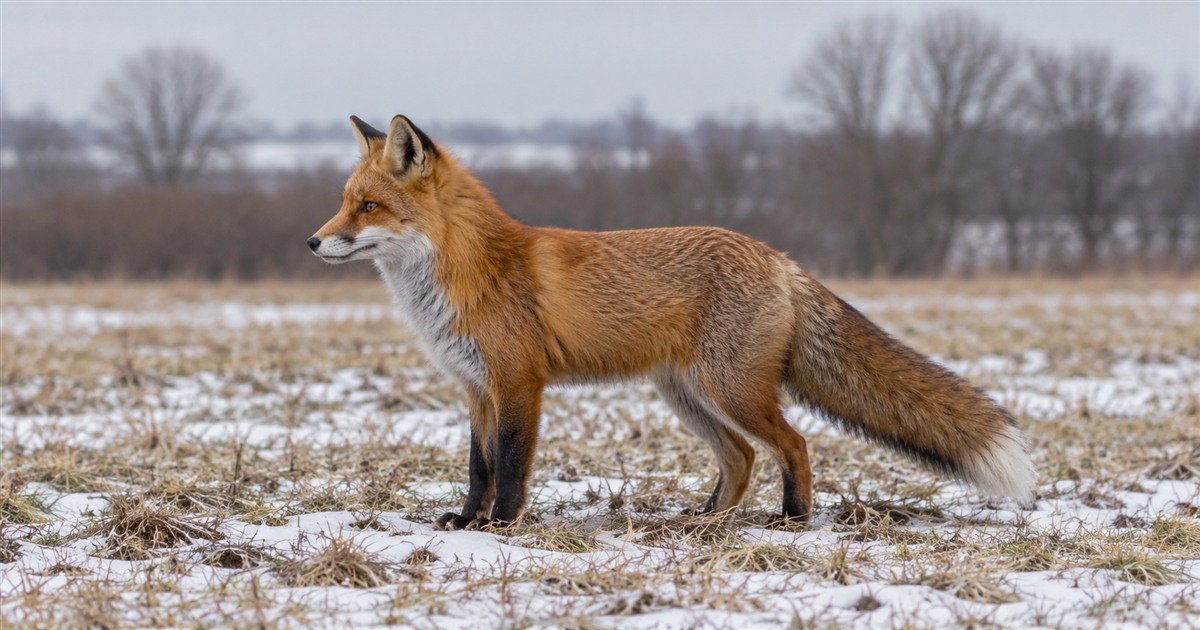
Imagine a fox appears while you are considering a busy week. You associate it with adaptability. Instead of deciding that the fox predicts success, ask, “Where could I make a flexible plan?” You might leave a little time between appointments or prepare an alternative route. This is an illustrative example, not a universal fox meaning.
Try three brief journal lines:
- I noticed: the animal image and the circumstances.
- I associate it with: a feeling, memory or quality, with another possible explanation.
- I could try: a realistic action, then observe what actually happens.
Return later if you want to. You may find that one animal stays meaningful or that your interests change. Neither outcome needs to become a spiritual ranking. If you want prompts about the bond with a living companion, our guide to animal connection and everyday care focuses on that different relationship.
Let care matter more than collecting signs
You can honor an animal connection by learning about the species, appreciating artwork or helping protect habitat. You do not need to approach a wild animal, feed it, keep a feather or acquire a pet to make the connection real for you.
For outdoor observation, follow the location’s rules and give animals space. The National Park Service’s wildlife-watching guidance recommends observing from a distance, avoiding disturbance and checking park-specific requirements. Binoculars or a zoom lens can help you appreciate an animal without approaching it.
A repeated sighting can feel special, but it is not proof of a message: habitat, season and where you spend time may also matter. Spiritual impressions should not decide medical treatment, financial commitments or another person’s intentions. If you explore the topic with a psychic, use the practical boundaries in our first reading guide; no paid session is required to complete this exercise.
The most helpful animal inspiration may be quiet: a reminder to pause, stay curious or act with kindness. Let that meaning support your choices without asking the animal—or yourself—to prove anything.
I appreciate the suggestion to relax and be open to thoughts to discover one’s animal spirit guide. It’s a mindful approach.
The concept of having an animal spirit guide is quite fascinating and offers a unique perspective on personal growth.
It’s an interesting hypothesis, but I wonder about the psychological mechanisms behind why people might feel connected to specific animals.
True, it would be interesting to delve into the psychological aspects. Perhaps it taps into our subconscious or cultural archetypes.
The idea of requesting the universe to present you with a spirit animal is intriguing. It suggests a proactive approach to spiritual discovery.
Even if one doesn’t fully buy into the concept, the practice could still serve as a useful tool for introspection and personal development.
Indeed, it seems like a practice that encourages mindfulness and self-awareness, regardless of one’s belief in spirit guides.
The idea that an animal guide can share its skills and knowledge is intriguing. It makes one ponder the deeper connections we might have with nature.
I find the idea that people may already know their animal guide due to lifelong attachments to certain animals quite compelling.
While the concept is interesting, I would be curious to see any empirical evidence supporting the existence of animal spirit guides.
The notion that spirit animals can guide and improve one’s life adds a layer of meaning to our interactions with the animal kingdom.