

Animal symbolism · Gentle signs of encouragement
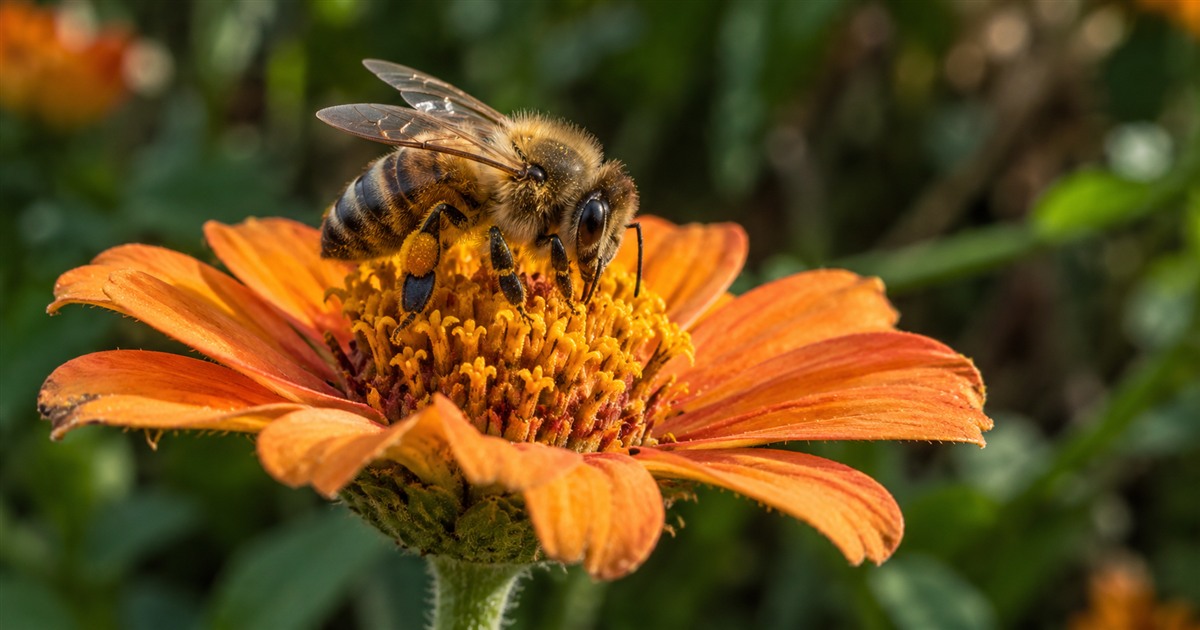
A bee visiting a flower, a lizard resting near your doorway or a frog appearing beside a pond can make an ordinary day feel quietly special. If you enjoy looking for good omens, these encounters offer a lovely invitation to notice the world around you and reflect on what matters.
Our attitude and behavior can change according to what we believe. The thoughts and actions we take when something feels meaningful may help us approach a situation differently. That is a grounded way to enjoy a lucky symbol: let it encourage a thoughtful choice, without treating it as a promise about the future.
First, a small distinction: not all three are insects
The original themes of this guide are bees, lizards and frogs. Bees are insects, lizards are reptiles, and frogs are amphibians. The Smithsonian’s amphibian guide explains the distinction between amphibians and reptiles, including the frog’s change from tadpole to froglet. Keeping those differences clear helps us appreciate each creature on its own terms.
There is also a difference between an animal’s natural life, a documented cultural image and your personal interpretation. You can value all three without assuming they say the same thing. A symbol that feels reassuring to you need not have one universal meaning or be a message everyone else must accept.
Bee symbolism: community, sweetness and steady effort
Bees and honey make an inviting starting point for reflections on sweetness, cooperation and the work that sustains a community. You might see a bee as a reminder to contribute something useful, appreciate a shared effort or make room for a little pleasure alongside your responsibilities.
Some spiritual interpretations connect bees with messages or prosperity. If that language resonates, hold it as an interpretation rather than evidence that you will receive money, discover a secret or know what happens next. A bee-shaped charm can represent an intention; its material or price does not make an outcome more certain.
A bee-inspired question: “Where could I offer one manageable contribution without taking on everyone else’s work?” Perhaps you could thank a colleague, help with a small shared task or enjoy a meal with someone you love. The point is not endless productivity. Sweetness belongs in the picture too.
If the encounter feels personally significant, our guide to reflecting on an animal companion’s meaning offers another way to explore connection while keeping the animal’s needs in view.
Lizard symbolism: renewal, patience and feeling at home
The original article associated lizards and geckos with renewal and the home. These can be useful personal themes: a quiet creature pausing on a wall may remind you that change does not always require dramatic movement. You might take the moment as encouragement to settle, observe and choose what you are ready to leave behind.
That does not establish a universal tradition in which every gecko protects a household. Nor does seeing a lizard predict a baby’s future, guarantee good fortune or prove protection from other animals. You can welcome a hopeful association without asking a small creature to carry those promises.
A lizard-inspired question: “What would help me feel more settled today?” A possible answer might be clearing one corner, repairing something practical or giving yourself permission to pause before responding to a difficult message. Let renewal mean a gentle adjustment, not pressure to become an entirely different person.
A lizard ornament can simply remind you of that intention. You do not need a particular charm, a costly material or a sighting at a special time to begin.
Frog symbolism: transition and the three-legged toad motif
A frog’s changing life offers a vivid image for transition. As a personal spiritual metaphor, it can invite patience with an in-between stage: learning a new routine, making a home or finding your footing after a change. The metaphor need not imply that every difficult event was destined or that you must welcome something harmful.
It is helpful to separate an ordinary frog from the three-legged toad seen in certain Chinese artworks. The Metropolitan Museum of Art holds an eighteenth- or nineteenth-century Chinese bamboo sculpture of Liu Hai astride a toad. The Smithsonian also records a sixteenth-century painting of Liu Hai with a Three-legged Toad. These are specific examples of an artistic motif, not evidence that everyone in a culture interprets every frog alike.
You may enjoy a money-frog ornament as a symbol of prosperity or welcome. Keep the symbolism separate from a financial prediction or healing claim. An ornament does not promise income, and encountering a frog is not a sign that a health concern will resolve.
A frog-inspired question: “What is one supportive step for the stage I am actually in?” That could mean gathering information, making a realistic plan or asking for companionship while you adjust.
A simple way to reflect on a good omen
You do not have to decode every encounter. When one feels meaningful, try these three steps:
- Notice: Describe what happened without adding a prediction. “I saw a bee beside the flowers during my lunch break.”
- Reflect: Ask what association feels relevant. “It reminded me of shared effort, and I have been trying to do everything alone.”
- Choose: Take one ordinary, proportionate action. “I will ask whether someone can share the next task.”
This example offers one possible meaning, not a fixed interpretation. Another person might find the same bee reminds them to slow down and enjoy the flowers. Neither interpretation needs to become a rule. If nothing resonates, you can simply appreciate the sighting and move on.
Enjoy lucky symbols without pressure
Choose an image because you like it, not because you fear what will happen without it. If you enjoy arranging meaningful objects, our feng shui guide explores symbolic home practices alongside practical choices. There is no need to buy something to make an encounter count.
Seeing the same animal repeatedly may invite reflection, but repetition alone is not a command. Avoid letting omens decide major commitments, purchases or other people’s intentions. A hopeful symbol can sit beside good questions, clear information and your own judgment.
Let wonder include care for wildlife
Observe from a comfortable distance. Do not capture, handle, feed or disturb a creature to obtain a sign, and do not interfere with a nest or habitat for a photograph. If an animal needs help, seek guidance from an appropriate local wildlife service rather than acting on a symbolic interpretation.
An animal disappearing from view is not a warning that luck has left you. You can keep the encouraging thought without keeping the creature. For a broader way to reconnect with your surroundings, explore gentle nature-based reflection.
Interesting point about bees and gold being associated with wealth. It makes me wonder how these beliefs have influenced modern symbols of prosperity.
The belief systems that link animals to good fortune and prosperity seem to reflect a universal desire to find meaning and hope in our surroundings.
The idea that lizards protect against snakes in Europe is interesting. It indicates a practical aspect to the symbolism, beyond mere superstition.
The connection between frogs and spiritual evolution in Christianity is intriguing. It suggests a deeper symbolic meaning behind the common creatures we see every day.
The symbolism of bees and their association with wealth through honey and beeswax highlights how natural elements have been integrated into cultural beliefs.
It’s fascinating to see how the lizard’s ability to regrow its tail has led to its association with renewal and hope in different cultures.
The various cultural interpretations of frogs as symbols of prosperity and spiritual evolution highlight the diverse ways in which different societies view common animals.
The historical perspective on the symbolism of bees and lizards is quite intriguing. It shows how deeply rooted these beliefs are in various cultures.