

FENG SHUI / HARMONY WITHOUT APPEARANCE PRESSURE
Feng shui can invite you to look at your surroundings with fresh attention. What welcomes you home? Where does movement feel awkward? Which part of a room supports rest, conversation or the work you care about? For someone who values spiritual energy, these questions can turn an ordinary space into a more intentional one.
It is also worth separating feng shui from claims about a “lucky face.” You do not need a particular nose, chin, skin tone or wrinkle-free forehead to deserve love, stability or opportunity. Exploring spiritual traditions should not become a reason to judge your appearance or change your body out of fear.
Feng shui and face reading are different practices
Feng shui is a Chinese tradition concerned with relationships between people, places and their surroundings. The Science Museum Group’s geomantic compass record describes its use in placing houses in harmony with the universe. That historical context is much broader than a modern decorating checklist.
Face reading interprets facial features symbolically. Some practitioners offer it alongside feng shui or other forms of divination, which can make the names seem interchangeable. They are not the same service. For example, Yuan Zhong Siu’s own face-reading description discusses associations between features and life themes. This is an example of a practitioner’s interpretation, not confirmation that a feature determines a person’s future.
If you want a consultation, ask which practice is being offered and what the practitioner will actually assess. A home-layout consultation, a face reading and a cosmetic appointment have different purposes. You should not have to guess which one you are buying.
How to approach “lucky face” ideas without judging yourself
You may encounter descriptions of the forehead, eyes, nose, lips, chin, jawline and cheekbones as signs of fortune. Interpretations differ, and a short online description is not a universal account of Chinese tradition. Avoid turning a symbolic association into a rule about who is strong, wealthy, lovable or worthy.
If you are curious about these readings, consider what a symbol prompts you to reflect on rather than treating your face as a problem to fix:
- Forehead: An interpretation about prospects might prompt a question about planning. It is not a reason to call wrinkles, moles or blemishes unlucky.
- Eyes and brows: An interpretation about attention or expression should not become a judgment based on eye shape, fatigue or eyebrow styling.
- Nose: Wealth symbolism does not establish that a larger, straighter or differently colored nose brings money. A nose shape cannot decide whether you will marry.
- Lips: A discussion of communication can lead to reflection on how you speak and listen. Lip size, color or dryness does not measure your capacity for love.
- Chin: If stability is a theme, ask what helps you feel supported. You do not need a particular chin profile to build a steady life.
- Jawline: Boundaries and persistence are things you can practice. An undefined jawline is not evidence of weakness.
- Cheekbones: If success is discussed, bring the focus back to your goals, opportunities and choices rather than a prediction based on bone structure.
These are reflection prompts, not a new face-reading system. They let you explore a theme without assigning destiny to appearance. Skin tone, disability, age and facial differences should never be treated as spiritual defects.
Do not choose cosmetic treatment to purchase good luck
Fillers, injections, laser procedures and surgery belong to medical decision-making, not a required spiritual remedy. There is no reason to treat changing your appearance as a dependable way to change your destiny. If you are interested in a cosmetic procedure for your own reasons, discuss its suitability, realistic results and risks with an appropriately qualified healthcare professional.
The FDA’s dermal-filler guidance explains that fillers carry risks, including serious complications if injected into a blood vessel. Do not let a luck prediction rush you into treatment, and do not use a spiritual reading to choose a product or procedure.
You can enjoy grooming, clothing or personal style without needing to explain it as correcting bad fortune. The same is true of a home: it can support you without becoming a project to eliminate every supposed imperfection.
Five practical ways to begin with your space
These are gentle home-focused starting points inspired by the aim of harmony, not a substitute for a detailed traditional assessment. Different feng shui approaches may use different methods; avoid applying a compass formula or a symbolic map when you do not know how it is meant to work.
1. Make arriving home easier
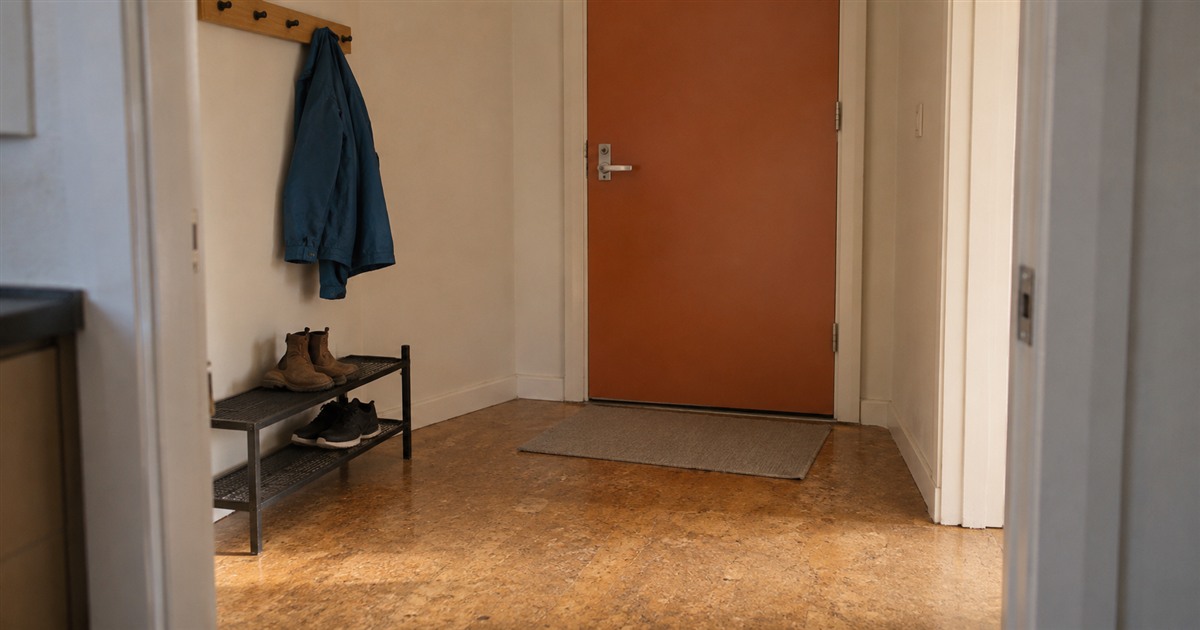
Clear a practical route through the entrance. Give everyday items such as keys or shoes a place that works for the household. Ask, “What would help me arrive without immediately feeling rushed?” You do not need to buy a lucky object to answer that question.
2. Choose a purpose for one small area
A reading chair, a work surface or a corner for conversation can have a clear role. Remove only what interferes with that role. You do not have to discard meaningful belongings or make the whole home minimalist.
3. Notice movement and comfort
Check whether furniture makes it hard to walk, open a door or sit comfortably. Try a safe, reversible adjustment if possible. Accessibility, clear exits and the needs of everyone using the room take priority over a rule found online.
4. Use a few meaningful details
A color, photograph, plant or familiar object can remind you of the quality you want to welcome. Choose something you enjoy and can maintain. If you like crystals, our guide to using crystals at home offers ideas for personal symbolism without making them mandatory.
5. Balance activity and rest in everyday terms
A bright, busy work area may serve one purpose, while a quieter place helps you read or unwind. Notice what actually suits your household. Harmony is not a reason to impose your preferences on everyone else or make changes they cannot use.
A small experiment: one intention, one change
Choose one room or corner and a goal you can observe. Instead of “This arrangement will make me wealthy,” try “I want this desk to make it easier to begin my work.” That keeps the spiritual intention connected to something you can act on.
- Notice the obstacle. Be specific: papers cover the surface, the chair is uncomfortable, or there is nowhere to put a bag.
- Choose one modest change. Use what you have before buying anything.
- Set an intention. “I welcome a clearer beginning,” or words that fit your beliefs.
- Live with the change. Over the next few days, notice whether the space is easier to use.
- Keep, adjust or undo it. A change that does not help is information, not evidence that you failed spiritually.
For example, a welcoming sitting area might mean moving a basket out of the walkway and placing a comfortable chair where conversation is easier. The benefit to notice is whether people can use the room more comfortably—not whether an unexpected windfall arrives.
You can combine this with an everyday self-care routine. A supportive space is one part of life, alongside relationships, rest, practical planning and help when you need it.
Questions to ask a feng shui practitioner
If you want to explore the tradition more deeply, choose a practitioner who explains their approach clearly and respects your budget and circumstances.
- “Which approach do you use, and what information do you need?”
- “Is this a home consultation, a face reading or another service?”
- “What does the fee include, and are purchases optional?”
- “Can you suggest changes that work for renters, small spaces or accessibility needs?”
- “How do you distinguish traditional symbolism from a guaranteed outcome?”
- “Can I take time to consider your recommendations?”
Be cautious about urgent demands for expensive cures, guaranteed income claims or suggestions that your appearance must be medically altered. A consultation should help you understand a perspective, not make you afraid of your face or home. Our article on being open minded explores how curiosity can coexist with careful judgment.
Let harmony support the life you are building
Feng shui can be meaningful as a way to pay attention to place, intention and your relationship with your surroundings. You do not have to reduce it to a promise of wealth, nor mix it with a demand for a “luckier” face.
Begin with the change that makes everyday life more welcoming. Keep what resonates, ask questions about what you do not understand, and leave room for your own judgment. Listening to your intuition can help you notice what matters while your practical choices give that insight a place to grow.