

Nature · Spiritual renewal · Gentle care
Sometimes our minds, bodies and souls can feel downright exhausted. Everyday demands leave little room for the things that nurture us. A moment with a tree, a patch of sky or the sound of moving water may offer a welcome change of attention, especially after a day spent indoors.
If “soul detox” describes your wish for a fresh start, treat it as a metaphor—not a diagnosis of spiritual pollution. You do not need to remove invisible toxins, earn positive energy or become a different person before you deserve rest. Nature can be part of a meaningful spiritual pause without being a cure or a test of how deeply you connect.
The five situations below offer different ways to make that pause your own. Choose the one that fits today. There is no need to complete every exercise or travel to a dramatic landscape.
1. When you feel cut off from your body and nature
Working indoors, rushing between tasks or spending much of the day on screens can leave you wanting a change of scene. You might also be tired, hungry or in need of company. Start with the ordinary need rather than assuming you have fallen into “bad habits” or lost your connection with the earth.
If it is comfortable and safe, step outside for a short walk or sit where you can see something growing. A lunch break in a small courtyard counts. So does watching leaves from an accessible seat. You do not need to hike, walk barefoot or touch the ground.
- Notice: One color or texture you usually pass without looking.
- Check: What does your body need now—food, water, rest, a more comfortable position or appropriate care?
- Choose: One small action that responds to that need.
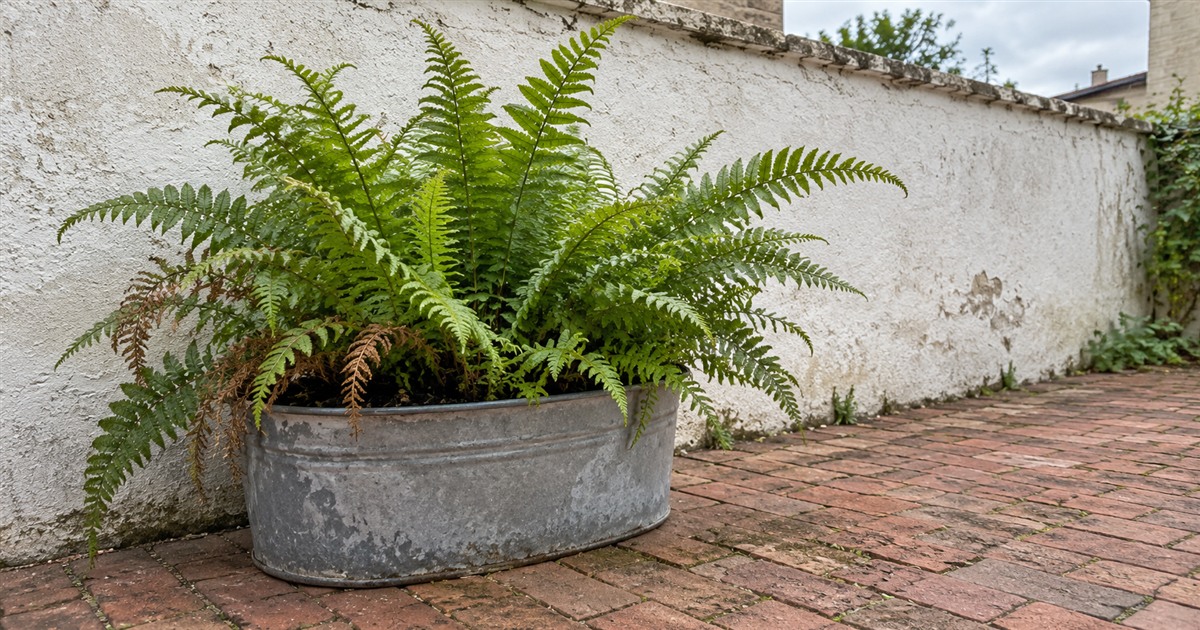
You might notice a fern, realize you have skipped lunch and decide to eat before returning to work. That is a useful reset even if you do not experience a surge of spiritual energy. Keep movement within your own abilities and any healthcare guidance you follow.
2. When you have stopped listening to your inner voice
A quieter setting may help you hear your own preferences amid other people’s requests. If you understand intuition as spiritual guidance, make space for that belief without requiring it to deliver a certain answer. Intuition is not an infallible voice of truth.
Choose a familiar, safe place rather than seeking complete isolation. Look at the shades in the leaves, listen to the breeze or notice the light on a wall. Let your breathing stay natural. You can remain aware of your surroundings while taking a moment for yourself.
Ask one question: “What have I been wanting to say, ask or change?” Write down the answer as a thought to consider, not a command from nature. Then ask what needs checking before you act.
For example, an outdoor pause might bring up “I need fewer evening commitments.” You could review your calendar and decline one optional invitation. It does not mean a tree has told you to leave a relationship or abandon a job. Our guide to responding thoughtfully to intuition separates preferences, boundaries and consequential choices.
3. When your mind is way too busy
When work, love, friends and family all seem to need something, even a pleasant break can turn into another task. You do not need to empty your mind or keep repeating an exercise until you feel cleansed.
Try looking outward instead of concentrating intensely on your thoughts. Keep your eyes open, especially near water, traffic or uneven ground. Choose a supported seat or a secure standing position, and breathe normally without holding your breath.
- Find a visual anchor. Look at one leaf, a cloud or a gentle ripple from a safe distance.
- Describe it simply. “The leaf is moving”; “the cloud has a soft edge.” You are observing, not decoding a message.
- Name the load. “I have several tasks on my mind.” There is no need to argue with every thought.
- Choose one next task. Return to the day with a manageable action, or choose rest if that is what you need.
If attention exercises make you more uncomfortable, stop. Chatting with a friend or doing an ordinary activity may suit you better. A brief pause is not a replacement for mental-health care, and a busy mind does not show that you are spiritually blocked.
For a separate indoor practice, our meditation guide offers adaptable options without demanding a perfect experience.
4. When you are unsure what your life is about
Disappointment can leave you questioning your direction. A beautiful setting may give you room to reflect, but you do not have to travel to a hilltop, suppress difficult thoughts or wait for nature to supply your purpose.
Try noticing something ordinary that continues quietly: a plant growing toward light, an established tree or a familiar bird passing through. If you enjoy spiritual symbolism, let the scene suggest a quality you value. Growth might remind you of learning; a tree might suggest steadiness. Those are personal associations, not instructions you must obey.
Use three short prompts:
- What matters: One value you still care about, even during uncertainty.
- What is possible: One action small enough for your current capacity.
- Who can help: One person or source of practical support.
For instance, if belonging matters, a possible next step could be asking a friend to share a meal. That is enough for today. You do not need a complete life plan before doing something worthwhile.
If hopelessness persists or you are struggling to cope, reach out to a healthcare or mental-health professional. If you may harm yourself or are in immediate danger, seek emergency help through your local emergency service. Nature and spiritual reflection can accompany support; they should not be the only answer to a crisis.
5. When you are always feeling low energy
The original article suggested a symbolic exchange with a tree. You can keep the idea of connection while leaving the tree undisturbed. A tree does not need to take away an illness, absorb your distress or receive fabric tied around a branch.
If you want a small ritual, bring a clean handkerchief you already own. Hold it loosely or keep it in your pocket. Name one concern and one kind response: “I feel stretched thin; I will ask for help with dinner.” Offer a quiet word of gratitude if that fits your beliefs, then take the fabric home.
You can also skip the object entirely. Looking at a tree from a seat or window is enough. Do not keep going until you feel a promised recharge. Resting, changing a demand or seeking care may be more important than extending the ritual.
Persistent physical tiredness deserves attention beyond spiritual interpretation. The NHS guidance on tiredness and fatigue advises medical assessment when unexplained tiredness lasts a few weeks or affects daily life. Do not diagnose depression, fatigue or another condition as a depleted soul, or blame yourself for not responding to nature.
Our daily energy-balance guide distinguishes physical stamina, emotional capacity and spiritual connection. Check which kind of support you need before choosing a practice.
Make the pause accessible—and kind to the place
A nearby courtyard, balcony, garden or window can be more workable than a remote trail. If getting outdoors is difficult, look at the sky from indoors, sit beside a plant or revisit a nature photograph. These are alternatives for attention, not promises that every setting produces the same effect.
Choose conditions that suit you. Check the weather, air-quality guidance and any local access rules before going out. Use a familiar route or seating area, carry what you need and do not venture onto unsafe ground for a spiritual experience. Avoid collecting unfamiliar plants, feeding wildlife or leaving offerings.
The National Park Service’s Leave No Trace guidance encourages planning ahead, leaving natural objects as found, packing out litter and respecting wildlife. Gratitude can be expressed through care: keep a tree’s branches free of ribbons, leave stones where they are and let other visitors enjoy a quiet space too.
A nature pause does not have to change your mood to be worthwhile. You may leave feeling lighter, unchanged or still in need of support. Notice what happened honestly. A gentle “soul detox” is not removing something wrong with you; it is making a little room for attention, meaning and the care your life needs.