

A fresh start · Everyday opportunity · Hope without pressure
If a year has felt disappointing, it is understandable to wish for a change of luck. This article began as a New Year guide for 2018. Its five ideas—less clutter, hopeful thinking, vision, diligence and numerology—can still offer a useful starting point when you want to feel more open to possibility.
You are not doomed because you were not born under a lucky star, and a difficult year is not evidence that you attracted hardship. Chance, circumstances, access, other people’s choices and your own actions all belong in the picture. No practice can promise that everything will turn out well.
Think of “increasing luck” here as making a little more room to notice an opportunity, prepare for it or ask for support. You can enjoy a spiritual interpretation while keeping your decisions grounded in what is actually happening.
1. Banish clutter, one useful space at a time
Do not feel you have to clear your entire home before a fresh start is allowed. Choose one small place that interferes with something you want to do: the surface where you write, the bag you take out or the folder holding a needed document.
Ask, “What would make this activity easier?” Put the important item where you can find it, move what does not belong and stop before the task becomes overwhelming. A tidy corner can be a practical support; it is not a guarantee of clearer thinking, productivity or spiritual abundance for everyone.
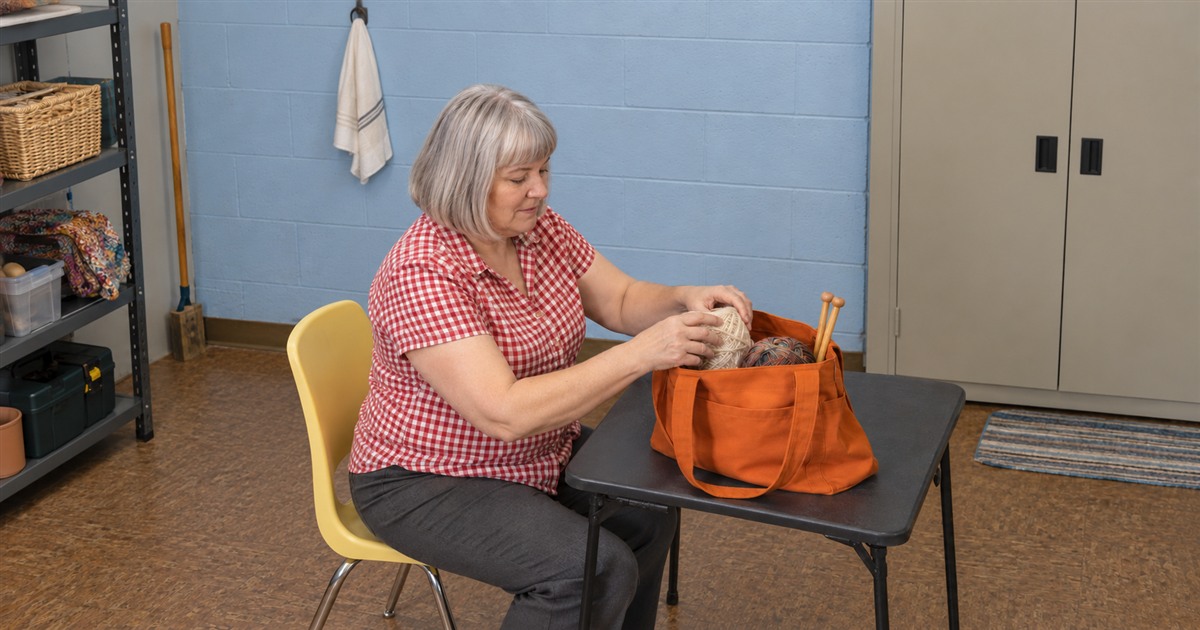
For example, placing your application papers together may help you respond when an opening appears. Sorting a hobby bag may make it easier to join a class. The useful change is reduced friction, not a claim that clutter caused your bad luck.
Respect shared possessions, disability needs and sentimental items. Do not discard somebody else’s belongings or spend money on a new organizing system just to complete a ritual. If you enjoy an energetic reset, our guide to cleansing the energy in your home can accompany ordinary cleaning without making it compulsory.
2. Think positively without denying what hurts
“I am never lucky, so why try?” can feel like a conclusion after repeated disappointments. You do not have to replace it with “Everything will be wonderful.” A gentler alternative is, “I cannot know the result yet, but I can choose one worthwhile next step.”
Hope does not require constant cheerfulness. Sadness, frustration and worry do not make you responsible for a setback. Let a hopeful thought sit beside the truth of what is difficult rather than using it to silence that truth.
Try three short notes:
- What is difficult? Name the situation without turning it into a judgment about your worth.
- What is still possible? Identify an option, a source of support or a question you can ask.
- What is enough for today? Choose a step small enough to fit your energy and circumstances.
NIMH’s self-care guidance includes setting goals and priorities, staying connected and noticing unhelpful negative thoughts. These are ways to support well-being, not methods for controlling chance. If distress persists or makes daily life difficult, seek appropriate support rather than trying to fix it by thinking more positively.
3. Have a vision, then look for the next step
Picture where you are now and where you would like to be. The original Point A to Point B idea can be useful when it clarifies what you value. But imagining a destination does not automatically make your mind or the universe carry you there.
Keep the vision flexible. Instead of needing to know your life in five or ten years, ask what you would like more of in the coming weeks: learning, companionship, creative time, steadier routines or room to rest.
Then name something within your influence. If you would like more connection, you might check an accessible community activity or contact a friend who welcomes hearing from you. If you want to learn, you might find a free introductory lesson. Consider the costs, timing and practical limits before committing.
Our guide to goals and the law of attraction offers a complementary intention-to-action practice if this spiritual language feels meaningful to you.
4. Be diligent, and give yourself permission to adjust
Steady effort can help you develop a skill or complete a task. Persistence is most useful when you also ask whether the approach is working, whether the goal still matters and whether the cost remains reasonable.
“Never quit” is not a rule you owe every plan. Resting, asking for help, changing a method or leaving an unsafe situation can be wise choices. More effort cannot repair every lack of resources or make another person cooperate.
Choose a review point rather than an endless demand. After a few attempts, ask: What have I learned? What needs to change? Am I continuing because this matters, or because I feel ashamed to stop? You may keep the goal and change the route.
Do not confuse persistence with paying repeatedly for a promised windfall. The FTC’s prize-scam guidance warns that requests to pay or provide account information to collect a supposed prize are scam signs. Pause and verify independently rather than treating an exciting message as proof that luck has finally arrived.
5. Try numerology as reflection, not a luck guarantee
If numbers hold spiritual meaning for you, numerology can offer a theme to explore. A number might invite a question about initiative, cooperation or completion. It does not establish that a particular date, purchase, lottery choice or relationship will succeed.
Because this article originally looked toward 2018, our historical 2018 numerology guide is a useful companion. It explains the 11/2 calendar-year calculation and distinguishes it from a Personal Year. Do not treat an old forecast as a current instruction.
You can reflect privately without a paid reading. If you choose a practitioner, ask which calculation they use, what the session costs and how they interpret uncertainty. Leave room to disagree. A claim that you must purchase another service to remove bad luck is a reason to step back.
Choose one practice that makes life a little easier
You do not need to try all five ideas at once. Begin with the one that feels useful: find a needed document, name a possible next step, explore an interest, review a plan or write a number-inspired question.
Notice what helped, including ordinary benefits such as feeling better prepared or having a clearer conversation. You do not have to label every pleasant event a sign or every disappointment a failure of belief. Hope can be warm, practical and open-ended. Your next beginning does not depend on proving that you are lucky.
Banish Clutter is a practical approach. A clutter-free space does indeed contribute to mental clarity and productivity.
Diligence as a precursor to good luck makes sense. Persistence often leads to opportunities that appear ‘lucky’ in hindsight.
While astrology and the psychic arts are debatable, the article’s emphasis on action and mindset is commendable.
The article provides a holistic approach to improving one’s luck. Combining mental, physical, and even metaphysical strategies could cover diverse aspects of life.
Visualization as a method to achieve goals is well-documented in psychological studies. It can be a powerful motivator and guide.
The inclusion of numerology is interesting, though I am skeptical about its scientific validity. However, if it helps someone feel more in control, it can be beneficial.
The advice to maintain a positive mindset is crucial. A positive outlook often leads to better problem-solving and resilience.
The idea of increasing luck through positive thinking and visualization is fascinating. It aligns well with the concept of self-fulfilling prophecies.