

SPIRITUAL CONNECTIONS / RELEASE & HEALTHY BOUNDARIES
A relationship can end while the feeling of connection lingers. You may still replay conversations, reach for your phone or feel responsible for someone who is no longer part of your daily life. If you understand that connection as a spiritual tie, letting go can feel like more than making a practical decision.
Breaking a spiritual tie can be a personal way of saying, “This relationship mattered, but it no longer gets to direct my life.” You do not have to erase affection, deny your history or feel nothing. A gentle release practice can accompany the boundaries and support that help you move forward.
What is a spiritual tie or soul tie?
People use “spiritual tie,” “soul tie” and “karmic bond” in different ways. A soul tie often describes a deeply felt connection; a karmic bond may describe a relationship someone believes carries lessons or patterns. These are spiritual interpretations, not interchangeable diagnoses or proof that another person controls your energy.
Family history, shared experiences, intimacy and long-standing habits can all make a connection feel powerful. That does not mean every relative has an unavoidable claim on your spirit, or that sex automatically creates a permanent bond. You can give intimacy your own spiritual meaning without shame or a fear that you have become trapped.
A familiar person’s reactions may become easier to anticipate over time. This is not reliable access to their thoughts, and an intense feeling cannot tell you whether they want contact. Consent and what they actually communicate still matter.
When might you want to release the connection?
You may want more distance after a breakup, repeated disrespect, an exhausting friendship or a family pattern that leaves little room for your needs. A relationship does not have to be entirely bad for you to decide that its current form no longer works.
Ask yourself:
- What specific behavior or pattern am I trying to step away from?
- Am I missing this person, or the reassurance, routine or future I associated with them?
- What contact, if any, is necessary for shared responsibilities?
- What would more peace look like in my actual week?
Our article on walking away from people you love explores the mixed feelings that can accompany distance. Missing someone is not a command to return, and a difficult day does not mean a release ritual failed.
If someone has died, you do not need to sever love to move forward. There is no reason to assume a deceased relative is draining your life because things were left unresolved. You can work through painful memories while keeping a meaningful bond; Your Soul’s Journey offers gentle remembrance ideas.
Five ways to loosen a spiritual tie
These practices adapt the ideas of redirecting energy, visualizing release, choosing helpful conversations, rebuilding your life and considering forgiveness. They are options, not five requirements you must complete to deserve peace.
1. Redirect attention without fighting every thought
Rather than ordering yourself never to think about the person, notice the moment: “I am replaying that conversation.” Then choose what you want to do next. You might put down the phone, make a meal, step outside or finish a task you had paused.
Look for habits that keep drawing you back, such as checking their profile or rereading old messages. Where it is safe and practical, reduce reminders or give yourself a limit. If you must stay in contact for parenting, work or another obligation, keep exchanges focused on the relevant topic. You do not need to argue about the spiritual meaning of the relationship.
2. Use a gentle cord-release visualization
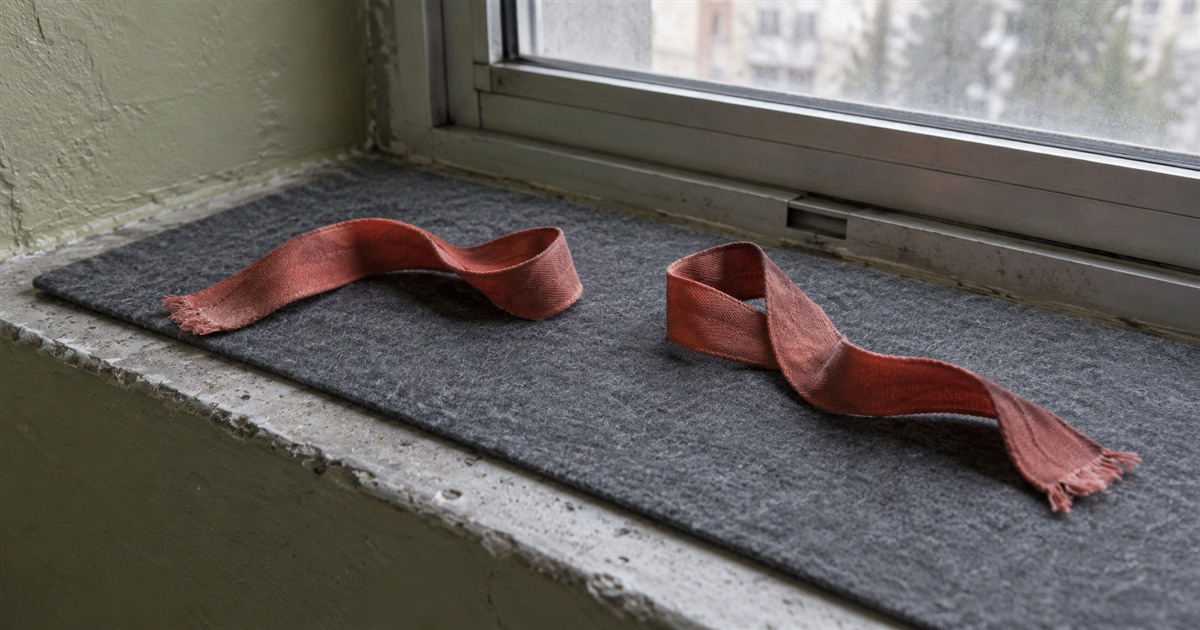
Sit comfortably and keep your eyes open if that feels better. Imagine a ribbon representing the pattern you are ready to release, rather than the whole person. Perhaps it represents waiting for approval or taking responsibility for their mood.
- Name the pattern. “I am letting go of the need to keep checking whether they approve of me.”
- Imagine space. Picture the ribbon loosening and resting separately from you. There is no need for knives, flames or force.
- Choose a phrase. “I can honor what happened and choose my boundaries now.” Use a prayer instead if that fits your beliefs.
- Return to the room. Notice your surroundings and choose one ordinary action that supports the boundary.
If you do not visualize easily, write the phrase or describe the ribbon in words. Stop if the exercise feels upsetting. It is a symbol of your intention, not a way to control someone else or guarantee instant emotional release.
3. Choose conversations that support you
Constantly revisiting an argument may not help you decide what comes next, but talking honestly with a trusted person can be valuable. Naming mistreatment does not “reactivate” a soul tie. You are allowed to ask for help, discuss what happened and keep relevant records.
Try giving a supportive conversation a focus: “Could you listen for a few minutes, then help me work out what I need this weekend?” You do not have to pretend everything is positive. The aim is to make room for support without letting the relationship occupy every conversation.
4. Rebuild a life that belongs to you
Choose something small that reconnects you with your own preferences. Return to a hobby, arrange time with a reliable friend or create a routine that does not depend on the other person’s response. Growth is not punishment for having cared; it is an invitation to become curious about your life again.
If spiritual routines help you mark a transition, our guide to getting rid of old energy includes gentle ways to refresh your space and intentions. There is no need to discard every keepsake or make expensive changes. You can put an item away and decide about it later.
5. Leave room for forgiveness, without making it compulsory
Forgiveness may be meaningful within your faith or personal practice. If you choose it, it need not mean excusing harm, restoring access or inviting the person back. You can wish for freedom from the argument while maintaining a firm boundary.
You may not feel ready to forgive, or that word may not fit your experience. Acceptance, grief, self-compassion or simply choosing distance are also possible paths. Releasing a tie does not require a final conversation, their apology or their permission.
Safety comes before any spiritual ritual
A visualization cannot protect you from threats, stalking or abuse. If setting a boundary could provoke danger, do not rely on confronting the person or announcing a cord-cutting ritual. Seek tailored support. The National Domestic Violence Hotline’s safety-planning resource addresses safety while experiencing abuse, preparing to leave and after leaving. Use a safer device if your internet activity may be monitored, and contact local emergency services if you are in immediate danger.
For relationships where communication is safe, love is respect’s boundary guide explains limits around emotional, physical and digital needs. A boundary describes how you will participate; it is not a demand to control another person’s friendships, thoughts or choices.
Be cautious of anyone who claims you are cursed, says a former partner owns your soul or demands repeated payments to remove a bond. A spiritual adviser can offer reflection, but should not replace safety support, counseling or your own decisions.
Notice progress without testing yourself
Progress may look like checking less often, recovering more quickly after a reminder or making a plan without waiting for their response. You may still feel sadness or affection. Those feelings do not prove that a spiritual cord has returned.
If the connection keeps disrupting sleep, work or daily life, consider talking with a qualified mental health professional. Spiritual practices can remain part of your support without carrying the whole burden. Letting go can be gradual: one safer boundary, one honest conversation and one choice that gives your life more room.
The notion of visualizing the cutting of spiritual cords is something I find both fascinating and potentially effective. Visualization techniques are often used in various forms of therapy.
I agree. Visualization is a powerful tool that can help in the mental and emotional processes of letting go.
Indeed, many psychological practices incorporate visualization to aid in emotional healing. It’s encouraging to see it recommended here as well.
The idea that unresolved issues can persist beyond a person’s life is a compelling argument for addressing and resolving karmic bonds while we can. The suggested methods are actionable.
The article provides a comprehensive overview of spiritual ties and their implications on our lives. It offers valuable insights into both the creation and dissolution of these bonds.
Forgiveness is often underappreciated in its ability to release emotional and spiritual burdens. The article rightly emphasizes its importance in cutting karmic bonds.
It’s interesting to see how such ties are perceived across different cultures and religions. The strategies to sever these ties seem practical and grounded in psychological principles.
The steps outlined to sever soul ties are pragmatic and seem doable for most people. The challenge, as noted, lies in the persistence needed to follow through.
Persistence is indeed key. The initial resistance to change often deters people, but the long-term benefits of severing negative ties are worth the effort.
The connection between physical actions and spiritual consequences is an intriguing concept. The steps mentioned for cutting the bond appear methodical and well thought out.
I appreciate the neutral tone of the article. It presents the information without pushing a particular belief system, allowing readers to draw their own conclusions.