

REINCARNATION / FAMILIARITY, FAMILY & SPIRITUAL HOPE
A familiar laugh can stop you in your tracks. A child’s expression may remind you of someone you miss, or a new friendship may feel older than the time you have known each other. If you believe in reincarnation, these moments can stir a hopeful question: could a soul have returned?
Reincarnation is the belief that life continues through another embodied existence. The nine experiences below explore familiarity, family memories and new connections. People may interpret them spiritually, but none is a reliable test that you—or someone else—have lived before or are a particular deceased person.
You can honor the feeling without assigning an identity. A meaningful resemblance does not need to become a conclusion, especially when a child is involved. Love, curiosity and uncertainty can share the same space.
Nine experiences people may interpret as reincarnation signs
1. A sense that a life ended with unfinished business
After a sudden death, it is natural to think about conversations, plans and hopes that never reached an ending. Some believers imagine a soul returning to continue its journey. That possibility may be comforting, but the circumstances of death do not predict a return or establish that someone’s spirit is unsettled.
A gentle prompt: What unfinished feeling needs care now? You might write what you wish you had said or share a memory with someone who knew the person. You do not need to wait for reincarnation to express your love.
2. Unexpected words, names or songs from a child
A child mentioning a familiar name or singing a song can feel extraordinary when it connects with your family history. Listen with warmth, but leave room for ordinary sources: a conversation, a recording, a story or something overheard. Not knowing the source is not proof of a past life.
A gentle prompt: What did the child actually say before anyone suggested an interpretation? Avoid coaching them, asking them to perform a memory or telling them they must be someone else. Their current identity deserves protection.
3. A familiar laugh, gesture or mannerism
A tilted head, an expressive laugh or a favorite turn of phrase may bring a loved one vividly to mind. Family habits and shared surroundings can also influence mannerisms. You may appreciate the resemblance without turning it into evidence that the same soul is present.
A gentle prompt: Which quality does this remind me of? “That laugh brings back happy memories of your grandfather” allows affection without declaring, “You are your grandfather.” Let the living person have differences as well as similarities.
4. Similar birthmarks or physical features
Matching eye color, a mole or a birthmark may invite spiritual curiosity. Physical resemblance does not identify a previous lifetime. MedlinePlus explains birthmarks as skin features involving blood vessels or pigment cells; some types run in families, and their health needs should be assessed medically.
A gentle prompt: Can I notice a resemblance without inspecting someone’s body or making a claim about them? Respect privacy. A mark that concerns you belongs in a conversation with a health professional, not a past-life diagnosis.
5. Recognition when you look into someone’s eyes
Eye contact can create a powerful feeling of closeness. Believers sometimes describe this as recognizing a soul. It is a personal impression, not a way to determine who someone was or what they feel toward you.
A gentle prompt: What does the familiarity invite—kindness, curiosity or remembrance? Let the person’s words and consent guide the relationship. A strong impression does not create a right to contact, intimacy or access to their life.
6. Meaningful timing around a birth or meeting
A birth near an anniversary or an encounter on a significant date can feel beautifully connected to your story. You may choose to commemorate that timing. It does not establish the transfer of a soul, and no particular interval is required for a spiritual belief to matter.
A gentle prompt: How can I celebrate this occasion on its own terms? A new child’s birthday can include family remembrance without becoming only a memorial to someone else.
7. Other people noticing the same resemblance
When several relatives say someone reminds them of a loved one, the feeling may grow stronger. Their observations can open a lovely conversation about family memory. Agreement, however, is not independent confirmation of reincarnation, especially if everyone already knows the story.
A gentle prompt: Are we sharing memories or asking someone to live up to them? Keep comparisons affectionate and occasional. Avoid expecting the same talents, preferences or temperament.
8. Repeating relationship themes or situations
A recurring experience may seem like a karmic thread: learning to trust, speaking honestly or finding belonging. You can explore that theme spiritually while also examining present-day circumstances. Repetition does not show that a previous lifetime created a debt.
A gentle prompt: What choice is available now? Our article on soul contracts, purpose and free choice explores meaningful patterns without making destiny an obligation. You never need to tolerate harm to complete a supposed lesson.
9. A new connection bringing comfort after loss
Someone entering your life when you are lonely may feel like a gift. Their company can bring genuine warmth without meaning that they are your loved one returned. A new relationship need not replace the one you lost.
A gentle prompt: Can I appreciate this person for who they are? Give the connection room to develop without asking them to repair your grief or recreate a former relationship.
Keep the observation separate from the identity claim
When a moment moves you, describe it plainly before deciding what it means. “She hummed the tune my aunt loved” preserves the observation. “My aunt has returned as this child” adds a conclusion the observation cannot establish.
A private note can include the exact words or action, when it happened and what you already knew. Keep uncertain details uncertain. The purpose is to honor your experience, not build a case around another person.
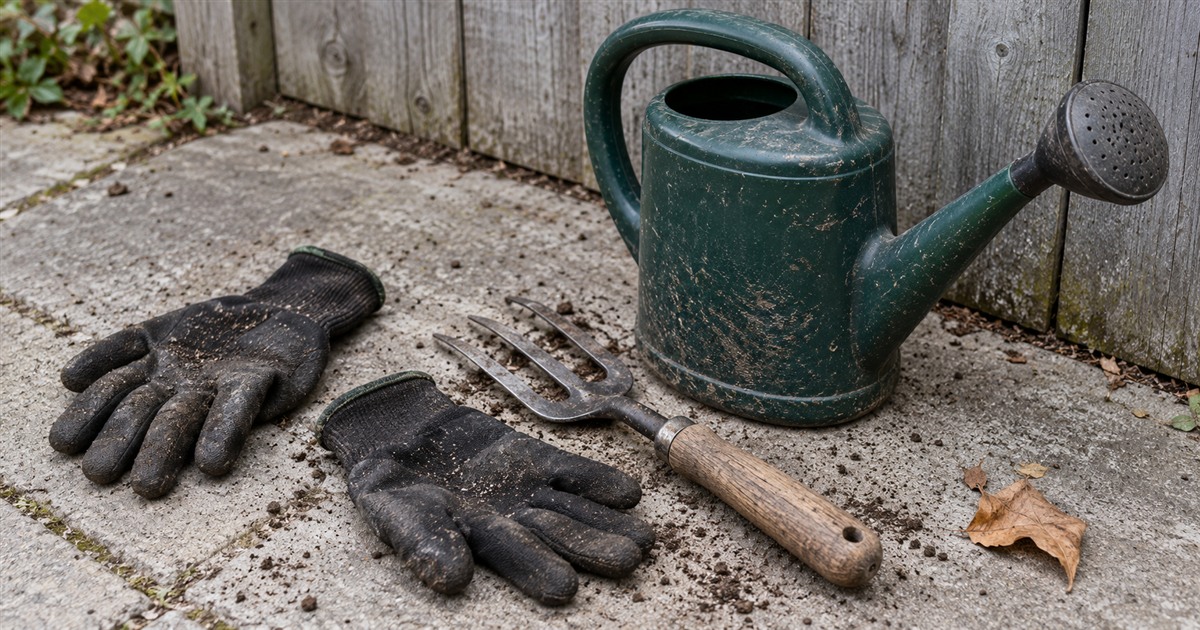
For example, a young relative might reach for gardening tools and remind you of a grandparent. You can say, “He loved gardening too,” share a suitable story and enjoy planting together. You do not need to decide whose soul is holding the watering can.
When the question is about your own past lives
The title may have brought you here because you wonder about your own history rather than a loved one’s return. You can explore a familiar place, a dream or a recurring interest as a spiritual theme without needing to invent a former name or biography.
Start with what interests you now. An attraction to a craft might invite a class; an old-feeling story about courage might encourage a conversation. Curiosity can support your present life even when the historical question remains open.
If you are considering a session, our past-life regression guide explains methods, practitioner questions and the difference between a vivid experience and verified memory. A reading should not require you to produce a dramatic death scene or promise to prove your identity.
Let hope sit alongside remembrance
You can believe in reincarnation and still miss the person’s physical presence. You can also enjoy a resemblance without adopting that belief. Different family members may understand the same moment differently; neither needs to persuade the other.
The NHS bereavement guidance notes that grief affects people differently and encourages support when coping is difficult. You do not need to find a sign before seeking company or care.
For gentle ways to remember someone without making a new person responsible for their return, explore Your Soul’s Journey. Whatever your beliefs, the tenderness of a memory can be enough. Let any hopeful interpretation deepen compassion while leaving each living person free to be themselves.
It’s notable how the article combines both emotional and spiritual perspectives on dealing with loss and reincarnation.
While the article is thought-provoking, it raises questions about how we can objectively verify such personal experiences.
Verification of these experiences is indeed challenging since they mostly rely on subjective observations.
The article provides compelling points on how to recognize reincarnated souls. However, it lacks scientific evidence.
True, it’s more metaphysical and subjective than empirically provable.
The concept of energy transforming rather than dying is intriguing and aligns with certain philosophical and spiritual teachings.
Indeed, it draws parallels with the law of conservation of energy in physics.
It’s interesting to see how different cultures and beliefs approach the idea of life after death.
The timing aspect mentioned is fascinating. It makes me wonder about the nature of coincidences.
The sections about toddlers and their potential connection to reincarnation were particularly interesting.
Yes, children’s behaviors can sometimes be peculiar, but linking them to past lives needs more concrete evidence.
Agreed. It might be more productive to explore these behaviors with developmental psychology in mind.
The idea that characteristics and birthmarks could carry over between lives is a captivating thought, though highly speculative.
The points raised remind me of Eastern philosophies, which often emphasize the cyclical nature of life and death.