

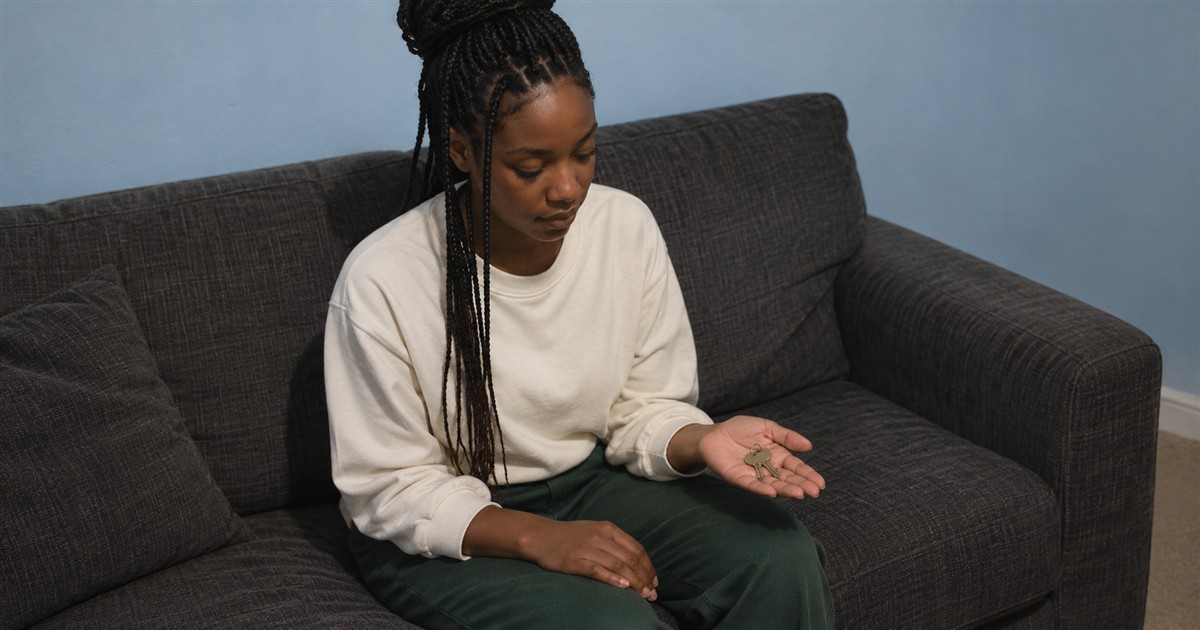
Psychometry • Intuition through objects
A familiar ring, a well-used watch or a book with a handwritten dedication can feel like more than an object. It may bring a person, a place or an entire chapter of life to mind. Psychometry takes that experience into a spiritual practice: holding an item and noticing the impressions that arise.
If you believe in psychic sensitivity, object reading can offer a gentle way to explore it. The most useful starting point is not to produce a spectacular story, but to pay attention, respect the owner’s privacy and keep your impressions separate from facts you can confirm.
What is psychometry?
Psychometry, also called object reading, is a practice in which a reader holds or touches an object and interprets impressions associated with its owner or history. In this context, the word refers to a psychic practice—not psychological testing or measuring someone’s abilities.
Practitioners may describe images, emotions, words or a sense of a place. Some understand these as energetic traces; others see the object as a focus for intuition or mediumship. The Society for Psychical Research’s account of psychometry describes the tradition of using a “link object” connected with a person, place or event. That describes the practice; it does not guarantee that a particular reading will be accurate.
You can appreciate an experience’s spiritual meaning without assuming that every sensation reveals the object’s past. Appearance, texture, memory and expectation also give us associations. A cool metal pendant feels cool because of its physical properties; it does not, by itself, indicate sadness or a spirit’s presence.
What happens during an object reading?
A reader may ask to hold a personal item, settle quietly and then describe what comes to mind. For example, they might mention an image of a garden, a feeling of celebration or a word they associate with the object. A considerate reader leaves room for uncertainty and does not pressure you to make an impression fit.
Psychometry differs from a tarot reading because the object, rather than a card’s imagery, provides the focus. It can overlap with mediumship when a reader interprets an impression as connected with someone who has died. That interpretation should be offered as such, not as a verified identification or a guaranteed message.
Before booking, ask whether the practitioner actually offers object readings and how they handle personal belongings. Some readings use photographs or remote sessions, but these are not the same as physically holding an item. Agree on the format rather than assuming every psychic provides the same service.
Choose an object with care
A sturdy, ordinary item is a good first choice: a keyring, a watch, a small piece of jewellery or a book the owner is happy to share. The object does not have to be valuable or dramatic. For a beginner exercise, a low-emotion item may be easier than a deeply treasured keepsake.
- Ask permission. Borrowing an item for an intuitive exercise is different from quietly trying to discover private information about its owner.
- Protect the item. Use clean, dry hands where appropriate. Do not apply water, salt, oils, smoke or cleaning products without the owner’s agreement; these can damage belongings.
- Keep irreplaceable items at home. You can discuss alternatives with a reader rather than mailing a precious heirloom to someone you do not know.
- Avoid unsafe materials. Do not handle sharp, contaminated or unknown objects just because they seem intriguing.
- Respect privacy. Keep names, photographs and personal stories out of public posts unless everyone involved has agreed.
A six-step psychometry exercise for beginners
Set aside about ten minutes with a trusted friend who has willingly offered an ordinary object. Ask them to keep its story private until you have finished writing. This is a practice in careful observation, not a performance you must pass.
- Set an intention. Try, “I will notice what comes to mind and stay open to being mistaken.” Choose a calm setting and put away distractions.
- Notice the physical details. Before interpreting anything, record what is visible or tangible: weight, material, wear and temperature. These details can influence later associations.
- Hold it comfortably. Rest the item in your hands without squeezing it. You can close your eyes if comfortable, but there is no required pose.
- Write the first impressions. Record a few words, images or feelings in their original form. “Blue doorway” is more precise than turning the image into a long story about someone’s childhood.
- Ask for unprompted feedback. Invite the owner to explain the object’s known history before you offer leading questions. Keep matches, mismatches and unknown details in your notes.
- Close the session. Return the object, thank its owner and notice how you feel. End there rather than repeating the exercise until you get a satisfying answer.
If nothing arises, record that too. A quiet session is not a failure or a reason to invent details. You may prefer a different practice, such as gentle automatic writing, which uses a journal rather than a borrowed object.
Keep three kinds of information separate
| Type | Example | How to use it |
|---|---|---|
| Physical observation | The watch has scratches and a worn strap. | Record it as something you can see, not a psychic discovery. |
| Personal impression | An image of a train journey comes to mind. | Write it exactly as it arose, without adding names, dates or certainty. |
| Confirmed information | The owner says their grandfather wore it on his commute. | Note the source and what it confirms. It does not confirm every other impression. |
Here is an illustrative journal entry—not a report of a tested reading: “I noticed a worn leather strap. I imagined a station platform. The owner later described a relative who travelled by train. My impression of a coastal town did not match anything they knew.” Keeping the last sentence matters as much as keeping the apparent connection.
A broad statement such as “This belonged to someone who faced challenges” can fit almost anyone. Specific notes, recorded before feedback, make it easier to reflect honestly. Even an interesting match does not establish where an impression came from.
Meaningful ways to explore psychometry
Family keepsakes and remembrance
Holding a loved one’s scarf or watch may invite memories and a sense of closeness. Some people include object readings in a spiritual remembrance ritual. You can welcome that comfort without needing a reader to prove contact or promise closure. A meaningful practice can be as simple as recalling a story, writing a letter or choosing a place to display the keepsake.
Objects connected with a pet
A collar, photograph or favourite toy may help you reflect on a pet’s personality and the bond you shared. If a practitioner offers a spiritual interpretation, it should not be treated as a veterinary assessment or a reliable way to locate a missing animal. Use ordinary search channels and appropriate professional help alongside any private ritual that comforts you.
Exploring an object’s story
An unfamiliar object can inspire curiosity about its maker, journeys and owners. An intuitive impression might give you a question to investigate, but inscriptions, family records, photographs and knowledgeable specialists are better ways to establish provenance. Do not use a reading alone to authenticate an antique or decide its value.
What psychometry should not decide
An object reading is not evidence that someone committed a crime, concealed a secret or harmed another person. Do not accuse someone on the basis of a reader’s impression. Likewise, it cannot establish whether a house is structurally sound, legally clear or safe to occupy; use the appropriate inspections and records.
If a session raises frightening claims about curses, dangerous spirits or urgent paid cleansing, step back. You are allowed to decline, stop the reading and keep your belongings. A respectful practitioner should accept boundaries without threats or pressure.
Questions to ask before a paid reading
- Will you hold the object, use a photograph or work another way?
- How long is the session, and what is the full price?
- Can I keep my questions and some personal details private?
- How will my item be protected and returned?
- May I take notes, and what happens if the impressions do not resonate?
Our guide to preparing for a psychic reading offers more practical questions. You can also explore reader profiles while checking each provider’s current services and terms. A profile or testimonial is not a guarantee of psychic accuracy.
Let curiosity lead, without forcing a story
Psychometry can be a thoughtful meeting point between touch, memory and spiritual curiosity. Begin with consent, a simple item and a few honest notes. Leave room for impressions that resonate, impressions that do not and sessions with no clear response.
For a broader starting point, compare this practice with six divination tools for beginners. You do not have to master every approach. Choose the one that helps you feel attentive, grounded and free to make your own choices.
The article touches on the emotional aspect of psychometry. It makes me wonder how much of the readings are influenced by the psychic’s own interpretations and beliefs.
The explanation of psychometry in relation to solving crimes and buying homes is quite unique. It adds another dimension to the potential uses of this psychic ability.
The idea of objects retaining energy from their owners is fascinating. I wonder how consistent the readings are across different psychics.
The section on understanding the object through psychometry is quite enlightening. It could provide new ways to explore historical artifacts.
Yes, it would be amazing if psychometry could be used to learn more about ancient objects and their origins.
It would be beneficial to combine psychometry with traditional historical methods for a more comprehensive understanding.
I find it interesting that psychometry can help with personal closure, such as connecting with passed loved ones. This could be a comforting tool for some people.
The concept of psychometry is intriguing, particularly its application in connecting with the past through objects. It opens up new perspectives on how we interact with our environment.
Psychometry sounds compelling, but I would appreciate more empirical evidence or documented cases to support the claims made.
Agreed. Anecdotal evidence isn’t strong enough for widespread acceptance. Scientific scrutiny is essential.
While the article suggests practical applications for psychometry, it raises questions about the reliability and verification of such readings. Scientific validation would be beneficial.