

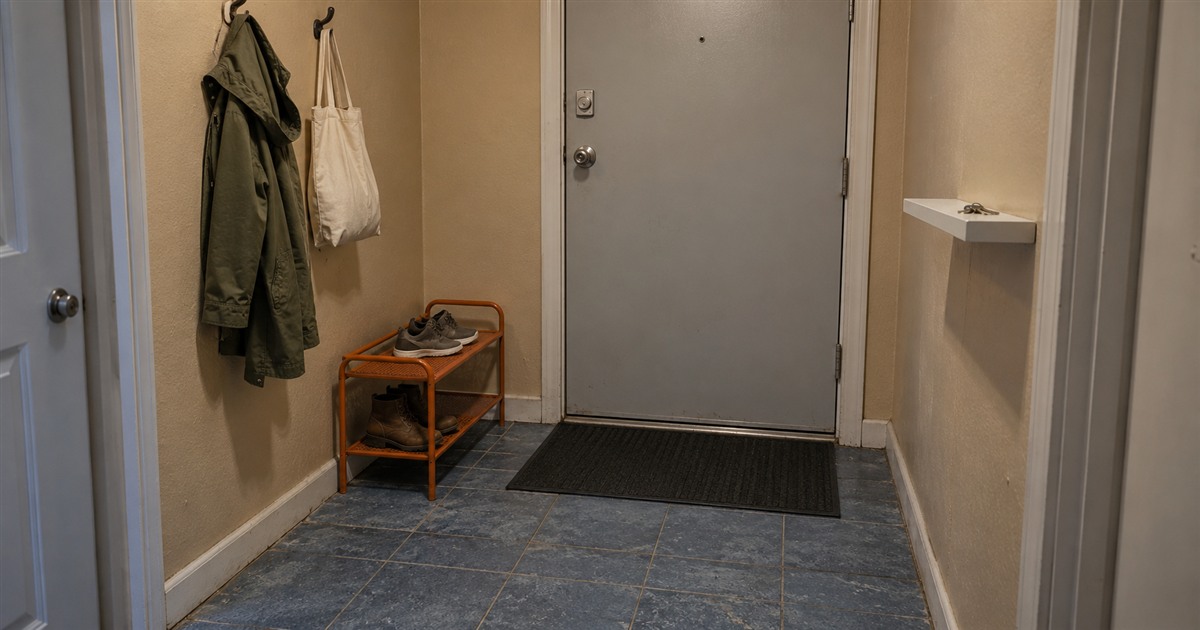
HOME ATMOSPHERE & SPIRITUAL BOUNDARIES
Your home can be a place to exhale: somewhere to recover from a busy day, share meals and feel more like yourself. After an uncomfortable visit or a tense conversation, that atmosphere may feel different. You might call it “toxic energy,” a heavy mood or simply a sense that you need a fresh start.
If spiritual cleansing is meaningful to you, you can use it to mark that fresh start. Pair it with something practical: a little quiet, a clearer boundary or a conversation about what needs to change. The goal is a home that supports you, not a home where nobody is ever allowed to feel sad or upset.
What do you mean by “toxic energy”?
In spiritual conversation, the phrase often describes an atmosphere that feels draining, tense or unwelcome. It is not a measurement of a room’s vibration, and it does not establish that a person has left an invisible force behind.
Try naming the experience more precisely. Was the visit too long? Did someone ignore your request to stop a topic? Is the room noisy or cluttered? Are you tired from hosting? Naming the source gives you more choices than deciding that the whole house is spiritually unsafe.
You can still hold a spiritual interpretation that matters to you. An intention such as “May this home hold kindness and honest boundaries” can sit alongside turning off a loud television or agreeing on quieter evenings.
A six-step reset after a difficult visit
This is a small transition routine, not a test for negative energy. Choose the steps that fit your home and leave out anything that feels like work you do not need.
1. End the visit without an elaborate explanation
If it is safe to do so, you can say, “I need to finish up for tonight,” or “I have time until six.” A clear ending protects your capacity before exhaustion turns into resentment.
If someone refuses to leave, threatens you or makes you afraid, prioritize practical help rather than trying to resolve it with a cleansing ritual. You deserve support with the situation itself.
2. Give yourself a quiet transition
Put down your phone for a few minutes, sit comfortably and notice the ordinary room around you. You do not have to feel peaceful immediately. Let yourself acknowledge, “That was difficult, and now I am home with myself again.”
If you identify as an empath, this pause can help you separate your own needs from the emotions you have been responding to. Our guide to coping as an empath offers more ways to make that distinction.
3. Restore one small area
Clear the cups, straighten a cushion or put the entryway back in order. Choose one visible task instead of cleaning every room because you fear something has spread.
A small physical reset gives the visit a natural endpoint. It can also reveal a practical need: perhaps future gatherings should be shorter, or household members should share the cleanup.
4. Make the room physically comfortable
Adjust the light, reduce noise or change an uncomfortable temperature. If outdoor air quality, weather and safety allow, opening a window may help with ventilation. Skip it when outdoor smoke or pollution would make conditions worse.
The EPA’s guidance on indoor air quality explains why controlling pollution sources and appropriate ventilation matter. A pleasant scent is not a substitute for dealing with a physical air-quality problem.
5. Mark the fresh start with a smoke-free intention
You might place your hand on your heart, say a short prayer, switch on an LED candle or sit beside a meaningful stone. Try: “May this space support rest, respect and a new beginning.”
There is no need for special supplies or repeated cleansing until you feel “perfect.” For other optional approaches, see cleansing the energy in your home. Choose with the comfort and consent of the people who share the space.
6. Decide what would improve the next visit
Ask one practical question: “What could I change next time?” You might meet somewhere else, set an end time, avoid a topic or decide not to host that person for now.
For example, after a conversation repeatedly turns into unwanted advice, you could plan: “Next time I will say I am not discussing that subject.” The reset is complete when it helps you return to your life—not when you have proven that a room’s energy has changed.
Set household agreements that support a calmer atmosphere
A shared home needs shared consideration. Spiritual practices should not become a reason to control somebody else’s belongings or demand that everyone follow your beliefs.
Rather than calling a household member “low vibration,” talk about a specific need. These statements leave room for cooperation:
- Noise: “Could we agree on a quieter hour before bedtime?”
- Visitors: “Please check with me before inviting people over late.”
- Privacy: “I need you to ask before using this room or touching my things.”
- Conflict: “Can we choose a time to talk when we are not trying to get out the door?”
- Rituals: “I would like a small reflection corner. What location works for everyone?”
You may not agree on every spiritual explanation, and you do not have to. A practical agreement about rest, privacy or guests can still make the home more comfortable.
When boundaries are repeatedly ignored, look at the behavior rather than blaming yourself for failing to protect your energy. Our article on relationship pressure and personal boundaries discusses concerning patterns without turning a checklist into a diagnosis.
Be a considerate guest without forcing positivity
How we enter someone’s home matters. Consideration does not require arriving cheerful every time. It means noticing your host’s time, space and willingness to listen.
Before discussing something heavy, ask, “Do you have the space to hear about a hard day?” If the answer is no, you can seek a different time or a different source of support. Respect an ending time, ask before bringing another guest and offer to help with the ordinary work of hosting.
You can bring sadness and still bring kindness. You do not owe anyone a performance of high vibrations, and a host does not owe you unlimited availability. Both people’s needs can matter.
A three-question home check-in
When the atmosphere feels heavy again, try this brief reflection before adding another ritual:
- What happened? Name the event or physical condition without attaching a spiritual label to another person.
- What do I need? Choose rest, privacy, a practical repair, a boundary or supportive company.
- What is one useful action? Pick something you can reasonably do, or someone you can ask for help.
“The visit lasted longer than I could manage; I need rest; I will keep tonight quiet” is enough. So is “The same argument keeps returning; we need support with the conversation.” The answer does not always have to be cleansing.
Do not confuse spiritual heaviness with a safety problem
Persistent headaches, dizziness or other symptoms at home need practical attention, not an energy diagnosis. Carbon monoxide is a dangerous gas you cannot see or smell. The CDC’s carbon monoxide guidance explains symptoms and prevention. If an alarm sounds or you suspect exposure, leave the area and seek emergency help rather than staying to perform a ritual.
Likewise, ongoing fear, harassment or violence calls for support with your safety. The National Domestic Violence Hotline’s safety-planning resources offer practical help. A symbolic protection practice should never be your only response to a real threat.
Your home does not have to be emotionally spotless to be sacred to you. It can hold laughter, difficult days and honest conversations. Make room for warmth and spiritual meaning while also protecting the ordinary conditions that help you feel safe, rested and respected.
While maintaining positive energy in the home is important, it’s also crucial to address any underlying issues that may be contributing to negativity.
The article provides insight into how we might better manage the energies in our living spaces. It’s a reminder to be mindful of the environments we create for ourselves and others.
The practice of leaving a home temporarily to cleanse it of negative energy is quite thought-provoking. It suggests a deep connection between our physical environment and emotional well-being.
Indeed, this connection between space and emotion is often overlooked but can be quite powerful. It’s worth exploring further.
This article brings up an important discussion about the significance of one’s home as a sanctuary. I appreciate the emphasis on creating a space of peace and positivity.
The notion that negative energy from visitors can affect one’s home environment raises questions about how we manage interpersonal dynamics and our personal space.
The idea of smudging and meditating to cleanse a home is a practice seen in various cultures. It’s intriguing how these rituals are used to maintain harmony.
The emphasis on ensuring that visitors bring positive energy into your home is an interesting perspective. It speaks to the importance of boundaries and self-care.